Tuesday, November 1, 2011

Megaflood


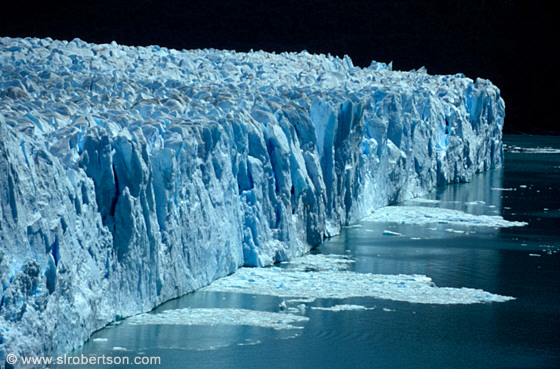
For this lab we watched a video discussing the history of the "Megaflood" that occurred in the scablands of America's West thousands of years ago. This flood happened when an extremely dense and tall glacier acted as somewhat of a dam for a body of water. This theory was first brought up in the 1930's, but was immediately dismissed as being a ludicrous idea. As more and more evidence piled up, it seemed that not only did this megaflood occur, but there were multiple floods of this magnitude. This picture shows some of the rock structures that are found in the scablands that help support this theory of a "megaflood". By the erosion of these rocks, scientists are able to detect the ferocity and volume of water that was able to do this.  I found this video to be quite interesting because I had never heard of something like this before, if you don't include the stories found in Genesis.

Trip to Jackson Springs/Baconsfield

For this lab we went to Jackson Springs park near the Baconsfield apartments. We walked through the park, looking at different rocks that we found right near the river, and under/near the bridge. We talked about how in the mid 90's the river flooded and destroyed a handful of homes that were too low for the water line at that point.
When we were finished with the hike and made it back to our original spot, we discussed the history of Baconsfield. I didn't know that at one point there was a zoo there or about the history of the neighborhoods themselves. I knew about how the park was left to the "white women and children of Macon" and the obvious problems that that had caused.

Thursday, October 20, 2011

Lake Michigan

Lake Michigan is one of the five great lakes and is the second largest of those five. It harbors two major cities in the Midwest in Milwaukee and Chicago, with nearly two million people living along the shores of this lake. It is sometimes referred to as the US's "third coast" because of how many beaches there are along its shore. During the summer time, my friends and I love to go to downtown Chicago for the day and go eat along the beach and hang out there. Lots of people go during the summer, I feel like it would be just as crowded at more popular beaches like ones in California. Another place are the Dunes in Michigan and Indiana, which is also along Lake Michigan. This has great big sand hills where you can go hike, or sometimes find a mud pit to have fun in.

Thursday, October 6, 2011

Ocumulgee National Park

On Wednesday we went to visit the Ocumulgee National Park a few minutes from Mercer. Here we were able to see some incredible things in nature that have been in a transformation for tens of thousands of years. Erosion of creek beds helped show us some different soil layers, as well as seeing some original Native American pieces. The most interesting thing I found on this trip was the hut where the floor was carbon dated to over ten thousand years old! It's pretty amazing to see something that old, even if it's just something general like a floor. I have posted a picture of the entrance to the Indian Mound hut. It was also interesting to learn that these mounds were not ultimately found until fairly recently. The way they were actually discovered was human bones were sticking out.

Sunday, October 2, 2011

Blood Sugar

Blood sugar and the insulin response are a negative feedback loop, which means that it wants to resist change as much as possible. This loop wants to keep the body in homeostasis and when there are dips or spikes in blood sugar, return it back to normal levels. The hypothalamus has neurons that are used to detect glucose, and when your blood sugar spikes, insulin is produced. Insulin then changes the glucose into glycogen which decreases your blood sugar level. Insulin production is then stopped once this is complete, which is the negative feedback loop aspect. 

Soil Lab

In this lab, we visited community gardens. This is basically a garden that many people contribute to and can utilize the products of the garden. These gardens are fairly new, only 30-50 years ago there were houses that rested on the same property where these gardens are now. That being said, the levels of lead in the soil are potentially concerning.

The way we deciphered what type of soil it was, was by using a soil dichotomous key. We used sieves to sift through the soil, where finer particles such as clay would fall through the sieve and thicker particles would stay on top.

Soil Types

Soil Orders

Here is a link to the twelve different types of soil. One type that I found interesting was andisol, which is soil that is formed by volcanic ash. Globally this is the most rare type of soil, which accounts for around 1.7% of all the US soil. One trait of andisol soil is that it has a high-water holding capacity.

Andisol

This map shows the sub-orders of andisol soil and where they are prevalent. It's clear that andisol soil is seen almost exclusively in the Northwestern part of the United States.